We lived on Larabars this summer. At over $1.50 a piece, we vowed to figure out how to make them. Unlike the Soy laden, Clif bar, Larabars have 2 or 3 ingredients, so we guessed we could figure it out.
Here's the recipes we concocted today.
Trail Fudge Bars Makes 6 bars
1 cup of walnuts
1 cup of dates
1 tsp of almond extract, organic
1/8 + 1/16th of a tsp of salt
3 T of unsweetened cocoa powder
We whirred it all in our Cuisinart for 4 or 5 minutes to turn the walnuts into a nice walnuty paste. Pull the dough out, and shape into bars! Delicious fudgy yum for your active life!
Carmel Latte Bars
Makes 12 bars
2 cups of almonds
2 cups of dates and dried apricots (total) - use as many apricots as you want, fill in the rest of the 2 cups with dates
2 tsp of vanilla extract 3/8 tsp of salt
I whirred this together in the Cuisinart for 8 minutes. Then we pulled the dough out, and shaped it into bars
I am not sure how, but these taste like carmel!
I am sure that any mix, at a 1 to 1 ratio, of nuts and dried fruit will work.
Nuts and seeds to try
Cashews
Almonds
Walnuts
Sesame seeds
Hemp seeds
Pumpkin seeds
Sunflower seeds
Dried fruit to try (I'd always include some dates for the sweetness and consistency to be right)
Dried Apricots, cherries, mangoes, papayas
Dates
Things to add
Dried coconut
For every cup of nuts, add a tsp of vanilla or other extracts
For every cup of nuts, include 1/8 + 1/16 tsp of salt (this is optional, but I always do it)
What fun it is to harvest in the fall!! We had a cool summer, so harvest is smaller, but it's filling us up with fresh, organic, delicious, life giving food!
This is just a sampling of today's picks...the tomatoes are coming on too...haven't dug up the beets or potatoes much, but they await our dinner table, sucking up the last of the nutrients. Collard greens, lettuce, swiss chard, beets...so yummy with garlic and olive oil sauteed up to perfection, Herbs, glorious herbs!! Basil, surrounded by oregano, thyme, rosemary, parsley, and chives.
We are eating one of the "world's healthiest foods" tonight as I am currently baking some swiss chard in the oven (with some cabbage).
So get get some chard! I blend it into green smoothies and learned from my sweet friend in Sisters about baking it...set the temp high on your oven, smother the chard or the kale in olive oil and garlic, and bake it until it's crispy-ish. Kids love it. Here's some more chard recipes: http://kalynskitchen.blogspot.com/2008/02/recipes-for-swiss-chard-and-mushroom.html
Both the leaves and the roots of Swiss chard have been the subject of fascinating health studies. The combination of traditional nutrients, phytonutrients (particularly anthocyans), plus fiber in this food seems particularly effective in preventing digestive tract cancers. Several research studies on chard focus specifically on colon cancer, where the incidence of precancerous lesions in animals has been found to be significantly reduced following dietary intake of Swiss chard extracts or fibers. Preliminary animal research also suggests that Swiss chard may confer a protective effect on the kidneys of those with diabetes through reducing serum urea and creatinine levels.
If vegetables got grades for traditional nutrients alone, Swiss chard would be one of the vegetable valedictorians. The vitamin and mineral profile of this leafy green vegetable contains enough "excellents" to ensure its place at the head of the vegetable Dean's List. Our rating system awards Swiss chard with excellent marks for its concentrations of vitamin K, vitamin A, vitamin C, magnesium, manganese, potassium, iron, vitamin E, and dietary fiber. Swiss chard also emerges as a very good or good source of copper, calcium, vitamin B2, vitamin B6, protein, phosphorus, vitamin B1, zinc, folate, biotin, niacin and pantothenic acid.
Swiss Chard contains:
1. Vitamin K - The vitamin K provided by Swiss chard-306.3% of the daily value in one cup of cooked Swiss chard-is important for maintaining bone health.
2. Vitamin A - Our food ranking system qualified Swiss chard as an excellent source of vitamin A on account of its concentrated beta-carotene content. Once inside the body, beta-carotene can be converted into vitamin A, so when you eat Swiss chard, it's like getting both these beneficial nutrients at once. One cup of Swiss chard contains just 35 calories, but provides 109.9% of the daily value for vitamin A.
Both vitamin A and beta-carotene are important vision nutrients. In a study of over 50,000 female nurses aged 45 to 67, those who consumed the highest dietary amount of vitamin A had a 39% reduced risk of developing cataracts.
Beta-carotene has also been the subject of extensive research in relationship to cancer prevention and prevention of oxygen-based damage to cells
3. Magnesium - yet another nutrient on Swiss chard's "Excellent Source" list, helps regulate nerve and muscle tone by balancing the action of calcium. In many nerve cells, magnesium serves as Nature's own calcium channel blocker, preventing calcium from rushing into the nerve cell and activating the nerve. By blocking calcium's entry, magnesium keeps our nerves (and the blood vessels and muscles they enervate) relaxed.
4. Vitamin C - Swiss chard is an excellent source of vitamin C-just one cup of this cooked vegetable supplies 52.5% of the daily value for vitamin C. Vitamin C is the primary water-soluble antioxidant in the body, disarming free radicals and preventing damage in the aqueous environment both inside and outside cells. Inside cells, a potential result of free radical damage to DNA is cancer. Especially in areas of the body where cellular turnover is especially rapid, such as the digestive system, preventing DNA mutations translates into preventing cancer. This is why a good intake of vitamin C is associated with a reduced risk of colon cancer. An important electrolyte involved in nerve transmission and the contraction of all muscles including the heart, potassium is essential for maintaining normal blood pressure and heart function. Swiss chard can promote your cardiovascular health by being an excellent source of not only magnesium but potassium, too. A one cup serving of Swiss chard provides 27.4% of the daily value for potassium along with its aforementioned 47% of the daily value for magnesium, making Swiss chard an especially good choice to prevent high blood pressure and protect against atherosclerosis.
5. Iron - Swiss chard is an excellent source of iron, a mineral so vital to the health of the human body that it is found in every human cell.
6. Vitamin E - Swiss chard is an excellent source of vitamin E, the body's primary fat-soluble antioxidant. Vitamin E travels throughout the body neutralizing free radicals that would otherwise damage fat-containing structures and molecules, such as cell membranes, brain cells, and cholesterol. By protecting these cellular and molecular components, vitamin E has significant anti-inflammatory effects that result in the reduction of symptoms in asthma, osteoarthritis, and rheumatoid arthritis, conditions where free radicals and inflammation play a big role. Vitamin E has also been shown to reduce the risk of colon cancer, help decrease the severity and frequency of hot flashes in women going through menopause, and help reduce the development of diabetic complications.
7. Fiber - Swiss chard's health benefits continue with its fiber; a cup of Swiss chard provides 14.7% of the daily value for fiber, which has been shown to reduce high cholesterol levels thus helping to prevent atherosclerosis. Fiber can also help out by keeping blood sugar levels under control, so Swiss chard is an excellent vegetable for people with diabetes. Swiss chard's fiber binds to cancer-causing chemicals, keeping them away from the cells lining the colon, providing yet another line of protection from colon cancer.
8. Manganese - That same cup of Swiss chard will also provide you with 29.0% of the day's needs for manganese. This trace mineral helps produce energy from protein and carbohydrates, and is involved in the synthesis of fatty acids that are important for a healthy nervous system and in the production of cholesterol that is used by the body to produce sex hormones. Manganese is also a critical component of an important antioxidant enzyme called superoxide dismutase. Superoxide dismutase (SOD) is found exclusively inside the body's mitochondria (the oxygen-based energy factories inside most of our cells) where it provides protection against damage from the free radicals produced during energy production.
9. Vitamin B6 - A cofactor in the reaction that regenerates glutathione, riboflavin help ensure adequate levels of one of the body's most important antioxidants. Among glutathione's many beneficial activities, it protects lipids like cholesterol from free radical attack. Only after it has been damaged by free radicals does cholesterol pose a threat to blood vessel walls. In addition, riboflavin is necessary for proper functioning of B6. Vitamin B6 is involved in an important cellular process called methylation at the juncture where homocysteine, a dangerous molecule that can directly damage blood vessel walls, is converted into a helpful amino acid, methionine. Without riboflavin's assistance, vitamin B6 cannot change into the active form in which it catalyzes this conversion. Once again, we can rely on Swiss chard, which supplies us with both nutrients. A cup of Swiss chard contains 8.8% of the daily value for riboflavin along with 7.5% of the daily value for vitamin B6.
10. - Mental Performance - Mental performance normally declines with age, but the results of Chicago Health and Aging Project (CHAP) suggest that eating just 3 servings of green leafy, yellow and cruciferous vegetables each day could slow this decline by 40%, suggests a study in the journal Neurology (Morris MC, Evans DA, et al.) Compared to people who consumed less than one serving of vegetables a day, people who ate at least 2.8 servings of vegetables a day saw their rate of cognitive decline slow by roughly 40%. This decrease is equivalent to about five years of younger age, said lead author Martha Clare Morris, ScD, with Rush University Medical Center in Chicago.
"What causes one person to catch a cold or the flu and another to avoid it? Why, with serious outbreaks of infectious diseases, are only a certain number stricken, and of those, why do only some people die?"
I love it! Can't wait to see the details of this unfold, as I ask myself this question all the time.
When I started working full time this year in a school you wouldn't believe how many people's attempt to encourage me sounded something like this, "Oh boy! You are going to be so sick this year! The first year teaching in a new school - you'll catch everything."
I knew they were wrong but didn't know exactly why. Why did the Swine flu not touch us? Why does strep rip through our school each year and my kids don't get it? How can I be surrounded by kids with fevers, green snot, coughs, and everything else and remain healthy? Why has not one member in my family even had a cold this entire school year so far? We'll probably get at least one cold this year...but some years that doesn't even happen.
So, I plan to include you in this discovery - and maybe inspire us all to make healthy changes or continue doing some of the things we are already doing.
Clue #1 - could be wrapped up in how we deal with sickness. We don't medicate. We don't use antibiotics or cold medicine or antacids. If we begin to feel slightly under the weather, we use herbs, eat more organic vegetables, drink nourishing teas, and rest. Period.
Opening poem in the book:
The History of Medicine
2000 BC Here, eat this root.
1000 BC That root is heathen. Here, say this prayer.
1805 AD That prayer is superstition. Here, drink this portion.
1940 AD That potion is snake oil. Here, swallow this pill.
1985 AD That pill is ineffective. Here, take this antibiotic.
2000 AD That antibiotic doesn't work anymore. Here, eat this root....
Stay tuned for more clues as I discover them and share here.
This recipe is one of the many amazing creations you can find in
the new e-book Nuts Over Nuts! which contains 50 raw vegetarian recipes created by V
anessa Nowitzky (student of Victoria Boutenko).
KALE CHIPS Recipe
These chips are so fabulous you will never need regular chips again. Dried kale is surprisingly filling-- these nutritious and rich chips are a meal unto themselves.
Each of the following recipes uses about 1 head of green kale. Ruffles have ridges- therefore curly kale holds the flavor best. Wash the leaves well; do not use a leaf if it has those little bugs that like to stick to the backs of the leaves. Don't use the woody stems. Tear large bite-sized pieces of the leaves into a large bowl and pour a sauce (recipes below) over the kale, massaging with your fingers until the kale is thoroughly saturated.
Spread saturated kale pieces onto dehydrator trays with teflon sheets and dehydrate at 105° for 12- 15 hours. The leaves shrink and should emerge crispy.
No dip needed for these chips, but a side of cherry tomatoes or sliced cucumbers helps wet the whistle.
Hummus Kale Chips Light and lemony. • ½ cup sprouted pumpkin seeds • optional: ¼ cup sprouted sesame seeds • 1 clove garlic • 2 stalks green onion • 2 stalks celery • juice of one lemon • ½- 1 teaspoon cumin • ½- 1 teaspoon cayenne. Grind seeds well in coffee grinder. Chop all other ingredients and blend together in food processor. Follow directions (above).
Sesame Kale Chips Call these Dragon Wings for their fire-breathing Asian flavor! • 1 cup sprouted sesame seeds • 2 medium plums (pitted, about ¾ cup chopped) • 1 stalk celery • 1 clove garlic • juice of ½ lemon • ½ cup chopped onion • 1 inch fresh ginger root, minced • Cayenne to taste. Grind sesame seeds in coffee grinder. Blend all other ingredients in food processor, finally adding ground sesame. Follow directions (above).
Fat Free Kale Chips You will thoroughly enjoy this amazingly delicious fat free version! In the Vita-Mix, blend the following ingredients well without water (use the tamper): • 1 medium small zucchini • 1 large red, orange or yellow bell pepper • ¼ cup chopped onion • 2 stalks celery • juice of ½ lemon • 1 teaspoon cayenne pepper or to taste. Follow directions (above).
Dr. Mercola Interviews Barbara Loe Fisher, founder of the National Vaccine Information Center
Please watch this video to break through tons of misinformation out there. Annual vaccinations of the flu shot from cradle to the grave is what CDC is recommending. There is this assumption that we are to never have any experience with the flu - but if you have a population that has lived it's life with these temporary immunities to the flu (the shot only creates a temporary immunity) then you have set up a situation where a population is extremely susceptible to a true catastrophic pandemic of the flu as they have not allowed their bodies to go through the natural progression of getting sick, fighting a virus on it's own, and getting strong and healthy again, on it's own. Instead, we become vaccine dependent which is nowhere close to as effective as having a strong immune system.
Infections are predicted to peak in late October (now) and by the end of the year it's estimated that 63 percent of the U.S. population will have been infected with H1N1 swine flu.
What does this mean? By the end of the year the majority of the U.S. population will have likely acquired natural immunity.
Natural immunity is what you gain when you recover from influenza and natural immunity is what is protecting older Americans, who have recovered from exposure to H1N1 strains of influenza in the past and are therefore less susceptible today.
This new revelation, coupled with CBS News' finding that swine flu cases are already being greatly overestimated ... and the fact that vaccines do not offer long-term immunity anyway ... and the questionable motives behind CDC's massive vaccination campaign ... puts an entirely different slant on the swine flu "epidemic," don't you think?
The U.S. Centers for Disease Control and Prevention (CDC) states on their main flu Web site http://www.cdc.gov/flu/ that flu activity is increasing in the United States, with most states reporting "widespread influenza activity."
The CDC goes on to say, and I quote:
"So far, most flu is 2009 H1N1 flu (sometimes called "swine flu")."
But wait stop the presses.
A three-month-long investigation by CBS News, released earlier this week that included state-by-state test results, revealed some very different facts. The CBS study found that H1N1 flu cases are NOT as prevalent as feared. A CBS article even states:
"If you've been diagnosed "probable" or "presumed" 2009 H1N1 or "swine flu" in recent months, you may be surprised to know this: odds are you didn't have H1N1 flu. In fact, you probably didn't have flu at all."
Obviously CBS News and the CDC are completely contradicting each other. So who is right?
Well, CBS reports that in late July 2009 the CDC advised states to STOP testing for H1N1 flu, and they also stopped counting individual cases.
Their rationale for this, according to CBS News, was that it was a waste of resources to test for H1N1 flu because it was already confirmed as an epidemic.
So just like that virtually every person who visited their physician with flu-like symptoms since late July was assumed to have H1N1, with no testing necessary because, after all, there's an epidemic.
It's interesting to note that at the same time as the CDC decided the H1N1 epidemic warranted no further testing for cases due to its epidemic status, Finnish health authorities actually downgraded the threat of swine flu.
In late July the health ministry and the National Institute for Health and Welfare (THL) in Finland actually removed swine flu from a list of diseases considered dangerous to the public because the majority of cases recovered without medication or hospital care!
And, as the CDC continues to use fear to motivate and control Americans with their worst-case swine flu scenarios, they say nothing of the experience of those in the southern hemisphere, which just finished their flu season and found it was not as bad as expected.
CBS News Finds H1N1 Tests "Overwhelmingly Negative"
Before beginning their investigation, CBS News asked the CDC for state-by-state test results prior to their halting of testing and tracking. The CDC did not initially respond so CBS went to all 50 states directly, asking for their statistics on state lab-confirmed H1N1 prior to the halt of individual testing and counting in July.
What did they find? CBS reported:
"The results reveal a pattern that surprised a number of health care professionals we consulted. The vast majority of cases were negative for H1N1 as well as seasonal flu, despite the fact that many states were specifically testing patients deemed to be most likely to have H1N1 flu, based on symptoms and risk factors, such as travel to Mexico."
As you can see from this CBS News graphic, not only are most cases of suspected flu-like illnesses not H1N1, they're not even the flu but more likely some type of cold or upper respiratory infection!
Where is the CDC Getting Their Data?
Given CBS News' findings that most cases of flu-like illnesses are neither H1N1 nor the flu, it begs the question: Why is the CDC reporting that most flu in the United States is in fact H1N1?
Barbara Loe Fisher, founder of the National Vaccine Information Center who I spoke with in the interview above, was a consumer representative on the FDA Vaccines and Related Biological Products Advisory Committee in 2003, and she asked the head of the influenza branch of the CDC how much of the flu-like illness that occurs in America every year is actually due to the flu.
The answer was about 20 percent, which corresponds more closely with the CBS News data from 2009.
According to the CBS News study, when you come down with chills, fever, cough, runny nose, malaise and all those other "flu-like" symptoms, the illness is likely caused by influenza at most 17 percent of the time and as little as 3 percent! The other 83 to 97 percent of the time it's caused by other viruses or bacteria.
So remember that not every illness that appears to be the flu actually is the flu. In fact, most of the time it's not.
Curiously, the CDC still advises those who were told they had 2009 H1N1 (and therefore should be immune to getting it again) to get vaccinated unless they had lab confirmation.
Is the CDC Purposely Misinforming the Public to Sell More Flu and H1N1 Vaccines?
Conflicts of interest are rampant in the vaccination infrastructure. The same people who are regulating and promoting vaccines are also evaluating vaccine safety.
For instance, Dr. Paul Offit of the Children's Hospital of Philadelphia earned at least $29 million as part of a $182-million sale by the hospital of its worldwide royalty interest in the Merck Rotateq vaccine. He also formerly sat on the CDC's Advisory Committee on Immunization Practices (ACIP) to help create the market for rotavirus vaccine
This type of conflict of interest has been going on for some time.
In August 1999, the Committee on Government Reform initiated an investigation into Federal vaccine policy. During the investigation the Committee extensively reviewed financial disclosure forms and related documents and interviewed key officials from the Food and Drug Administration (FDA) and the CDC.
It was revealed that many individuals on two key advisory committees had financial ties to pharmaceutical companies that manufacture vaccines. These individuals were even granted waivers allowing them to fully participate in discussions about vaccine licensing and recommendations for children, despite the fact that federal law states members of advisory committees are required to disclose such ties and recuse themselves from such discussions and decisions.
Further, the investigation revealed that the FDA's and CDC's conflict of interest rules were not strongly enforced while the rules themselves were weak. Specific problems noted by the Committee included:
* The CDC routinely granted waivers from conflict of interest rules to many members of its advisory committee. * Those CDC advisory committee members who were not allowed to vote on certain recommendations due to financial conflicts of interest were still allowed to actively participate in committee deliberations and advocate specific positions. * The Chairman of the CDC's advisory committee owned 600 shares of stock in Merck, a pharmaceutical company with an active vaccine division. * Members of the CDC's advisory committee often left key details out of their financial disclosure statements, and were not required to provide the missing information by CDC ethics officials.
And, when the FDA and CDC approved the controversial rotavirus vaccine in 1998 and 1999, the Committee's report said:
* 3 out of the 5 FDA advisory committee members who voted to approve the rotavirus vaccine in December 1997 had financial ties to the pharmaceutical companies that were developing different versions of the vaccine. * 4 out of the 8 CDC advisory committee members who voted to approve guidelines for the rotavirus vaccine in June 1998 had financial ties to pharmaceutical companies that were developing different versions of the vaccine.
The rotavirus vaccine was pulled from the market one year after approval, after it was found to cause severe bowel obstructions.
Given their sordid history, can the CDC really be trusted, even today? Do you think that much has changed in just one decade?
Is the H1N1 Vaccine Really Safe as the CDC Says it Is?
CDC officials are screaming that H1N1 is so different from the seasonal influenza strains that have circulated in the past few decades that a national alarm must be sounded and everyone needs to be so afraid that we all should get vaccinated to prevent a deadly pandemic.
Yet, they say the new H1N1 vaccine is safe based on vaccines for that very same flu strain from which it is so different. They write on their Web site "the 2009 H1N1 influenza vaccines are expected to have similar safety profiles as seasonal flu vaccines ..."
Another contradiction.
While symptoms of H1N1 flu and seasonal flu are virtually identical, the H1N1 vaccine is showing signs of being quite different from the seasonal flu shot.
Although both are produced using antiquated 50-year-old technology that involves injecting the virus into eggs and allowing it to grow, the virus being used to produce the swine flu vaccine has been found to reproduce much more slowly in eggs than the ordinary flu virus.
And according to a separate CBS News report, the U.S. government is now funding newer unprecedented technologies to speed up vaccine production, including one that involves growing the virus inside animal cells and another that involves flu proteins grown inside insect cells.
The risks of these, and the current fast-tracked swine flu vaccine, are truly unknown at this time.
There is NO Incentive for the CDC or Vaccine Manufacturers to Care About Safety
You may think that the CDC and the vaccine manufacturers must be concerned about safety, as if they released a dangerous vaccine and promoted it to the American public, imagine the lawsuits they would face.
This is actually no longer reality as the U.S. government has granted vaccine makers total legal immunity from any lawsuits that result from the new swine flu vaccine.
In fact, drug manufacturers got a major boost in protection and were granted unprecedented powers to experiment on the population with the passing of the 2006 Public Readiness and Emergency Preparedness Act (the PREP Act).
This law allows the DHHS Secretary to invoke almost complete immunity from liability for manufacturers of vaccines and drugs used to combat a declared public health emergency, which the "swine flu pandemic" qualifies as.
The PREP Act removes your right to a trial jury unless you can provide clear evidence of willful misconduct that resulted in death or serious physical injury. But that's not all. First you must apply for and be granted permission to sue by the DHHS Secretary.
The most problematic aspect of the PREP Act is that it removes all financial incentive to make a safe product.
In fact, vaccine makers now have a negative incentive to test it for safety, because if they are aware of problems, then they could potentially be held liable for willful misconduct!
As long as they can prove they "didn't know" of any problem, they will not be liable for damages. Hence it's in their best interest to know as little as possible about the adverse reactions it might cause.
It seems unimaginable, but you and your children are now being enlisted as an unpaid human trial subjects for experimental, fast-tracked vaccines like the swine flu vaccine.
Recent national polls have revealed that 30 percent to 50 percent in many communities are not planning to get a swine flu shot ... but there are many who are still ready to stand in line.
.
But I wanted to share one final detail, and that is a new study just released by Purdue University researchers and published in the journal Eurosurveillance.
The researchers found that at this point in time any vaccinations that are given in the United States will likely have little effect on the number of infections. The researchers state:
"The model predicts that there will be a significant wave in autumn, with 63% of the population being infected, and that this wave will peak so early that the planned CDC vaccination campaign will likely not have a large effect on the total number of people ultimately infected by the pandemic H1N1 influenza virus."
In other words, infections are predicted to peak in late October (now) and by the end of the year it's estimated that 63 percent of the U.S. population will have been infected with H1N1 swine flu.
What does this mean? By the end of the year the majority of the U.S. population will have likely acquired natural immunity.
Natural immunity is what you gain when you recover from influenza and natural immunity is what is protecting older Americans, who have recovered from exposure to H1N1 strains of influenza in the past and are therefore less susceptible today.
This new revelation, coupled with CBS News' finding that swine flu cases are already being greatly overestimated ... and the fact that vaccines do not offer long-term immunity anyway ... and the questionable motives behind CDC's massive vaccination campaign ... puts an entirely different slant on the swine flu "epidemic," don't you think?
If you are still concerned about the swine flu, you should know that it is relatively easy to improve your immune response to fight this infection. If 99.9% of the people are not having any serious complications from H1N1, it would seem perfectly rational to believe that minor lifestyle changes could have dramatic effects on fighting this infection, and none of these involve taking potentially dangerous and unproven vaccine interventions.
Simple Measures That Can Help You Fight Illness
* Vitamin D has been well documented to increase the production of over 200 anti microbial peptides that fight infection. * Eliminate sugar from your diet as that will impair your immune response * Get plenty of rest * Exercise appropriately
My chiropractic doctor yesterday explained to me that those that are getting the vaccine are actually getting the live virus. THis method of using a live virus hasn't been used since the Polio vaccine which proved to be disatrous then. So, folks that are vaccinated are actually sheading the live virus for about a week - putting the rest of us at higher risk of getting it.
They have learned through studying the trends of this virus that only 50% of those exposed to it are getting sick - so half of the people that get exposed have bodies that quickly respond, make the antibodies to kill the virus and they don't even get sick.
Summer is over and the question I am being asked most frequently in my practice is, "what do I do about Swine flu?" My patients are wondering whether or not they should get vaccinated and the simple answer I give most of the time is ..NO!
From what you may have read, you might think that the swine flu vaccine is the answer to swine flu. Unfortunately this is not true and until we know that the vaccine is safe, I cannot in good conscience recommend it to most of my patients.
From the outset, let me say, I am not anti all vaccinations, rather I am pro vaccine safety and freedom of choice.
This is why am I not recommending the swine flu vaccine
1) At this stage, for the most part the swine flu seems benign.
Over a million people in the US have already come down with swine flu, many of them without even knowing that they had it. The vast majority of people who get the swine flu recover after a week or so of high fever, aches, and respiratory distress. It's not pleasant, but except in rare circumstances, it is not fatal. Most people who've been infected by swine flu think so little of it, they believe they just had a really bad cold or a regular flu. So unless the swine flu evolves to a much more virulent form, there's no need for mass vaccination.
2) We don't know if the vaccine will be effective.
Vaccines are only useful against the specific viral strain that was available at the time of their manufacture. But influenza viruses mutate quickly, and as the WHO has already said, the real concern with H1N1 swine flu is that it will combine with seasonal flu in the Fall, creating a new strain that will of course be immune to all available vaccines.
3) We don't know if the vaccine is safe.
The FDA has authorized an expedited approval process for the swine flu vaccine but we don't know yet if it is safe. Even GlaxoSmithKline, one of the vaccine manufacturers has said, "The total population studied in clinical trials will be limited, due to the need to provide the vaccine to governments as quickly as possible. Additional studies will therefore be required and conducted after the vaccine is made available."
In other words, the only thing that is safe, is to say that no one knows. Since it's never been used before and they have not had time to conduct any sufficient human testing, by getting vaccinated you are being a human guinea pig.
4) Vaccine manufacturers have been insulated from liability by the government.
The Department of Health and Human Services Secretary Kathleen Sibelius has granted legal immunity not only to the makers of the 2 drugs being used to treat swine flu, Tamiflu and Relenza, but also to the swine flu vaccine makers, for damages due to their use against swine flu. By effectively manipulating the legal system, the Pharmaceutical Industry through their powerful lobbyists have acquired almost complete and total insulation from any liability for their vaccines and adjuvants, which are additives added to generate a stronger immune response. It is believed that it is these adjuvants which often cause the problems. The last time the government embarked on a major vaccine campaign against a new swine flu was in 1976. Thousands filed claims for side effects such as paralysis caused by the vaccine and a number of people died. I am sure that the researchers know more now than they did last time and no one can say for certain that bad things will happen again or that you will suffer dire consequences if you get vaccinated. But this time you have no legal recourse even though this vaccine involves new factors, which makes it therefore experimental and unpredictable.
By shielding the manufacturers from any responsibility for any harm caused, the pharmaceutical firms have no financial incentive to make the safest product. In fact, they have a negative incentive to test it for safety, because if they are aware of problems, then they could potentially be held liable for willful misconduct.
Instead I advise my patients to build up and strengthen their immune systems to prevent viral infections.
Here are my top 10 recommendations:
1) Optimize your vit D level
Adequate levels of Vitamin D are essential for our immune systems to function optimally. Unfortunately there are no significant dietary sources of Vitamin D, most of our intake comes from exposure to sunlight. If you live far from the equator, you simply don't get enough sun through Fall and Winter to make all the vitamin D you need. So unless you supplement during this period, your innate immunity will be compromised. Vitamin D plays such a crucial role in so many aspects of your body's functioning, that supplementing with it makes sense whether you decide to get the flu shot or not.
We know that influenza always gets worse during the winter months. Now there is good evidence to suggest that this is because as sunlight hours lessen during the winter, the people living in the northern hemisphere become vitamin D deficient and are susceptible to influenza infections of all kinds. Here's a great article available at NIH pertaining to this topic.
There is also some evidence that supplementation with a sufficient amount of vitamin D can help to prevent the onset of a flu or cold.
The current recommendations from the Food and Nutrition Board of the U.S. Institute of Medicine: from 200 to 600 IU/day depending on one's age, are way too low. These values were originally chosen because they were found to prevent osteomalacia (bone softening) and rickets. It is now recognized that vitamin D has many additional physiological functions, for which these levels are totally inadequate. A number of scientists are therefore calling for the Food and Nutrition Board in the U.S. and its counterparts abroad to reassess their current recommendations.
To optimize your vit D levels, you will need to
Take at least 2,000 IU of a Vitamin D3 supplement daily.
Although the current normal range is between 20 and 50ng/ml, this is much too low for optimal health. You want your level to be between 50 and 70ng/ml. This is the most important step you can take to prevent the flu!! It may require a number of months taking 5,000 to 10,000 IU of Vit D3 daily (especially during winter) under a doctor's supervision, to optimize your blood level. Monitor your 25 hydroxy vitamin D status every 3 months until you are in the optimal range, then cut back to a maintenance dose of at least 2,000 IU a day.
2) Get adequate sleep, this is an indispensable requirement for a strong immune system.
3) Get adequate exercise, this keeps you robust.
4) Take actions to lower your stress levels
Do breathing exercises, meditate, practice yoga, spend time doing something that makes you happy. Feeling spent, overwhelmed, and/or mentally run down has a causal relationship to your physical health.
5) Wash your hands frequently but not excessively
It decreases your likelihood of spreading a virus to your nose, mouth or other people. Be sure you don't use antibacterial soap because of the risk of creating resistant bacteria. Rather use a simple chemical-free soap.
6) Avoid sugar and processed foods as they decrease your immune function dramatically.
7) Eat phytonutrient rich meals (lots of colorful salads and dark greens)
8) Eat lots of garlic, it works as a broad spectrum antibiotic.
9) Take a probiotic daily (look for one with 10-20 billion organisms).
A strong immune system relies heavily on having a strong foundation in the gut.
10) Keep a supply of antiviral herbal supplements on hand.
As opposed to antiviral drugs, antiviral herbs do not cause resistant strains because they are multifaceted and contain literally thousands of different medicinal compounds. Thus they are able to attack viruses with a full spectrum of synergistic substances. Andrographis, Olive leaf extract, Grapefruit seed extract and Elderberry extract, all have antiviral properties. Use one or a combination of some of them as a prophylactic measure, for ex.whenever you travel (airports) or enter a potentially compromised environment such as a large office, auditorium, stadium, theater etc.
And if you really want to go all out, here are 4 more tips:
11) Take 1-2 grams of fish oils daily, its beneficial for immune function.
12) Take 2 grams of Vitamin C daily, yes it does help.
13) Stock your home pharmacy with an immune building formula.
Look for one that contains Cordyceps and Astragulus. Take it throughout the flu season.
14) Keep homeopathic Oscillococcinum on hand
Take it at the earliest sign of a cold or flu. Early intervention is essential. If you are exposed to someone with the flu directly, you can take one dose twice a day for two days. You can also take one vial once a week throughout the winter, and two or three times a week during flu season, as a preventative measure.
This article is worth reading. Our family never has gotten the flu shot and none of us have ever gotten the flu either.
Studies show that flu vaccines are unsafe and ineffective.
Signs and Symptoms of Influenza
As most of you probably know, influenza is a contagious viral respiratory infection. Symptoms include:
Fever
Chills
Runny nose
Sore throat
Cough
Muscle aches
Fatigue
Decreased appetite
Typically, the condition will improve after two to three days of bed rest, although some symptoms may persist for about a week.
What many people do NOT know, however, is that death caused directly by the flu virus is very rare. The vast majority of so-called “flu deaths” are in fact due to bacterial pneumonia – a potential complication of the flu if your immune system is too weak.
Other complications can include ear- or sinus infections, dehydration, and worsening of chronic health conditions.
The elderly and people with other pre existing medical conditions such as asthma, diabetes, or heart disease, are at higher risk of developing pneumonia after a bout of the flu.
The Flu Vaccine Does Not Prevent the Flu, nor Protect Against the Vast Majority of Flu-Related Deaths
The conventional treatment for bacterial pneumonia is an antibiotic, not a viral flu drug, so to think that taking a flu vaccine will prevent death from pneumonia doesn’t really make sense.
“But the vaccine will prevent the flu, which will prevent the possibility of developing pneumonia,” some might say.
That sounds good in theory, but the statistics simply do not support this assertion.
Because study after study, and master studies that compile the results from several studies to get a more objective result, keep coming to the same conclusion: Flu vaccines DO NOT WORK, and in many cases do more harm than good.
In fact, one shocking statistic brought to light in this video is that BEFORE the CDC advocated vaccinating children under the age of five, the number of children dying from the flu was very low, and on the decline.
Then, in 2003, just after children aged five and under started getting vaccinated, the number of flu deaths SKYROCKETED. The death toll was enormous compared to the previous year, when the flu vaccine was not administered en masse to that age group!
How anyone can consider a strategy that yields a higher death toll to be a “success” is a mystery to me.
The Problem with Flu Death Statistics
However, as frightening as much of this may sound, it’s important to keep things in perspective. According to the statistics shown in the video above, more Americans die from asthma, and even malnutrition each year, than the flu.
Unfortunately, the Centers for Disease Control and Prevention (CDC) grossly distort the facts about flu deaths, making the flu virus seem far more dangerous than is warranted. On the CDC’s main flu page, they state that about 36,000 people die from the flu in the United States each year.
But if you search a little harder, you can find the actual number of people who died from the flu in 2005 (this is the most recent data that’s available) was 1,806. The remainder was caused by pneumonia. In 2004, there were just 1,100 actual flu deaths.
The statistics the CDC gives are skewed partly because they classify those dying from pneumonia as dying from the flu, which is inaccurate.
How is the Flu Vaccine Made?
This is another area that many people do not understand or take into consideration before getting a seasonal flu shot.
In January or February of each year, health authorities travel to Asia to determine which strains of the flu are currently active. Based on their findings in Asia, they assume that the same strains of viruses will spread to the U.S. by fall.
At this point, U.S. vaccine manufacturers start making that season’s flu vaccine, which will contain the strains found in Asia. However, if the viral strains circulating in the U.S. that season are not identical to those in Asia, the vaccine you receive is a complete dud.
And to add insult to injury, you’ve just been injected with a laundry list of harmful ingredients.
What’s in the Seasonal Flu Vaccine?
The flu strains selected are cultivated in chick embryos for several weeks before being inactivated with formaldehyde, which is a known cancer-causing agent. Then they’re preserved with thimerosal, which is 49 percent mercury by weight.
Even many health care professionals are confused about this and are not aware that the preservative thimerosal is mercury. As a quick side note, one of my chief writers told me that, “the doctor’s office told me the vaccine does not contain mercury, just something called thimerosal.”
Please, don’t be fooled by this incredible ignorance. If you have carefully studied this issue there is a great possibility you may know more than your physician about this topic. Don’t back down if they tell you something you otherwise know to be true.
According to the CDC, the majority of flu vaccines contain thimerosal. Some contain as much as 25 mcg of mercury per dose. This means that it may contain more than 250 times the Environmental Protection Agency’s safety limit for mercury.
By now, most people are well aware that children and fetuses are most at risk of damage from this neurotoxin, as their brains are still developing. Yet the CDC still recommends that children over 6 months, and pregnant women, receive the flu vaccine each year.
In addition to mercury, flu vaccines also contain other toxic or hazardous ingredients like:
Aluminum -- a neurotoxin that has been linked to Alzheimer’s disease
Triton X-100 -- a detergent
Phenol (carbolic acid)
Ethylene glycol (antifreeze)
Betapropiolactone - a disinfectant
Nonoxynol - used to kill or stop growth of STDs
Octoxinol 9 - a vaginal spermicide
Sodium phosphate
How Safe is the Flu Vaccine?
Serious reactions to the flu vaccine include, but are not limited to:
Life-threatening allergies to various ingredients
Guillain-Barre Syndrome (a severe paralytic disease that is fatal in about 1 in 20 cases)
Encephalitis (brain inflammation)
Neurological disorders
Thrombocytopenia (a serious blood disorder)
How Effective is the Flu Vaccine?
Remember that the potential effectiveness of a flu vaccine is dependent on the ASSUMPTION, made nearly a year in advance, that Asia’s viral strains will be the ones hitting the U.S. When they guess wrong, the vaccine is worthless from the very start.
But does that mean they withdraw the flu vaccine when they discover it contains the wrong strains? NO! They just keep giving it out anyway.
But even if they were to overcome that hurdle and actually select the correct strains, there’s still no evidence that it does anyone any good to get a flu vaccine.
Study after study comes back showing the same dismal results: the flu vaccines are not an effective method of prevention of the flu, and they do not save lives. As mentioned earlier, they may even be responsible for an increased death rate in some groups.
Sometimes determining efficacy is as easy as reading the information coming straight from the vaccine manufacturer.
How about this quote taken directly from the flu vaccine FLULAVAL’s package insert (which you likely never see when getting the flu shot) for the 2009-2010 formula:
" FLULAVAL is an influenza virus vaccine indicated for active immunization of adults 18 years of age and older against influenza disease caused by influenza virus subtypes A and type B contained in the vaccine. This indication is based on immune response elicited by FLULAVAL, and there have been no controlled trials demonstrating a decrease in influenza disease after vaccination with FLULAVAL.”
That’s right, NO controlled trials demonstrating ANY decrease in your risk of contracting the flu at all after vaccination! (It also states that each dose contains a total of 25 mcg of mercury.)
For those of you who are still unconvinced, know that there’s plenty of scientific evidence available to back up the recommendation to avoid flu vaccines. In addition to studies mentioned in the video, here are several other examples showing that flu vaccines do not work for any age group:
A study published in the October 2008 issue of the Archives of Pediatric & Adolescent Medicinefound that vaccinating young children against the flu had no impact on flu-related hospitalizations or doctor visits during two recent flu seasons.
The researchers concluded that "significant influenza vaccine effectiveness could not be demonstrated for any season, age, or setting" examined.
A 2008 study published in the Lancet found that influenza vaccination was NOT associated with a reduced risk of pneumonia in older people.
Research published in the American Journal of Respiratory and Critical Care Medicine also confirms that there has been no decrease in deaths from influenza and pneumonia in the elderly, despite the fact that vaccination coverage among the elderly has increased from 15 percent in 1980 to 65 percent now.
In 2007, researchers with the National Institute of Allergy and Infectious
Diseases, and the National Institutes of Health published this conclusion in the Lancet Infectious Diseases: “We conclude that frailty selection bias and use of non-specific endpoints such as all-cause mortality,have led cohort studies to greatly exaggerate vaccine benefits.”
A large-scale, systematic review of 51 studies, published in the Cochrane Database of Systematic Reviews in 2006, found no evidence that the flu vaccine is any more effective than a placebo in children. The studies involved 260,000 children, age 6 to 23 months.
The reasons why they opted to not get vaccinated were:
They didn't believe the vaccine would work
They believed their immune systems were strong enough to withstand exposure to the flu
They were concerned about side effects
Might Influenza be Little More Than a Symptom of Vitamin D Deficiency?
Vitamin D, “the sunshine vitamin,” may very well be one of the most beneficial vitamins there is for disease prevention. Unfortunately it’s also one of the vitamins that a vast majority of people across the world are deficient in due to lack of regular exposure to sunshine.
Published in the journal Epidemiology and Infection in 2006, the hypothesis presented by Dr. John Cannell and colleagues in the paper Epidemic Influenza and Vitamin Draises the possibility that influenza is a symptom of vitamin D deficiency.
The vitamin D formed when your skin is exposed to sunlight regulates the expression of more than 2,000 genes throughout your body, including ones that influence your immune system to attack and destroy bacteria and viruses. Hence, being overwhelmed by the “flu bug” could signal that your vitamin D levels are too low, allowing the flu virus to overtake your immune system.
At least five studies show an inverse association between lower respiratory tract infections and 25(OH)D levels. That is, the higher your vitamin D level, the lower your risk of contracting colds, flu, and other respiratory tract infections:
A 2007 study suggests higher vitamin D status enhances your immunity to microbial infections. They found that subjects with vitamin D deficiency had significantly more days of absence from work due to respiratory infection than did control subjects.
A 2009 study on vitamin D deficiency in newborns with acute lower respiratory infection (ALRI) confirmed a strong, positive correlation between newborns’ and mother’s vitamin D levels. Over 87 percent of all newborns and over 67 percent of all mothers had vitamin D levels lower than 20 ng/ml, which is a severe deficiency state.
Newborns with vitamin D deficiency appear to have an increased risk of developing ALRI, and since the child’s vitamin D level strongly correlates with its mother’s, the researchers recommend that all mothers’ optimize their vitamin D levels during pregnancy, especially in the winter months, to safeguard their baby’s health.
A similar Indian study published in 2004 also reported that vitamin D deficiency in infants significantly raised their odds ratio for having severe ALRI.
17 percent of participants with vitamin D levels of 30ng/ml or higher
20 percent of participants with vitamin D levels between 10-30 ng/ml.
24 percent of participants with vitamin D levels below 10ng/ml
The positive correlation between lower vitamin D levels and increased risk of URTI was even stronger in individuals with asthma and chronic obstructive pulmonary disease.
Another 2009 report in the journal Pediatric Research stated that infants and children appear more susceptible to viral rather than bacterial infections when deficient in vitamin D. And that, based on the available evidence showing a strong connection between vitamin D, infections, and immune function in children, vitamin D supplementation may be a valuable therapy in pediatric medicine.
How to Prevent the Flu without Getting a Flu Shot
For most people the flu shot does not make you healthy; it does just the opposite and weakens your immune system.
If you follow a healthy lifestyle, you will not have to worry about getting the flu. Take it from me -- I’ve never received a flu shot, and I haven’t missed a day of work due to illness in over 20 years. The key steps that I follow to stay flu-free, which I suggest you follow too, include:
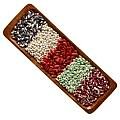
When fresh peas are not available or when you want to enjoy a starchier, hardier flavored legume, dried peas are the perfect choice; they are available any time of the year.
Although they belong to the same family as beans and lentils, they are usually distinguished as a separate group because of the ways in which they are prepared. The different types of peas are all spherical, a feature that also sets them apart from beans and lentils. Dried peas are produced by harvesting the peapods when they are fully mature and then drying them. Once they are dried and the skins removed, they split naturally.
This chart graphically details the %DV that a serving of Dried peas provides for each of the nutrients of which it is a good, very good, or excellent source according to our Food Rating System. Additional information about the amount of these nutrients provided by Dried peas can be found in the Food Rating System Chart. A link that takes you to the In-Depth Nutritional Profile for Dried peas, featuring information over 80 nutrients, can be found under the Food Rating System Chart.
Dried peas, a small but nutritionally mighty member of the legume family, are a very good source of cholesterol-lowering fiber. Not only can dried peas help lower cholesterol, they are also of special benefit in managing blood-sugar disorders since their high fiber content prevents blood sugar levels from rising rapidly after a meal.
Fiber is far from all that dried peas have to offer. Dried peas also provide good to excellent amounts of four important minerals, two B-vitamins, and protein--all with virtually no fat. As if this weren't enough, dried peas also feature isoflavones (notably daidzein). Isoflavones are phytonutrients that can act like weak estrogens in the body and whose dietary consumption has been linked to a reduced risk of certain health conditions, including breast and prostate cancer.
Dried Peas are Packed with Fiber
Check a chart of the fiber content in foods and you'll see legumes leading the pack. Dried peas, like other legumes, are rich in soluble fiber. Soluble fiber forms a gel-like substance in the digestive tract that binds bile (which contains cholesterol) and carries it out of the body. Research studies have shown that insoluble fiber not only helps to increase stool bulk and prevent constipation, but also helps prevent digestive disorders like irritable bowel syndrome and diverticulosis. A single cup of cooked dried peas provides 65.1% of the daily value for fiber.
Dried Peas Provide Energy to Burn While Stabilizing Blood Sugar
In addition to its beneficial effects on the digestive system and the heart, soluble fiber helps stabilize blood sugar levels. If you have insulin resistance, hypoglycemia or diabetes, legumes like dried peas can really help you balance blood sugar levels while providing steady, slow-burning energy. Studies of high fiber diets and blood sugar levels have shown the dramatic benefits provided by these high fiber foods. Researchers compared two groups of people with type 2 diabetes who were fed different amounts of high fiber foods. One group ate the standard American Diabetic diet, which contains 24 grams of fiber/day, while the other group ate a diet containing 50 grams of fiber/day. Those who ate the diet higher in fiber had lower levels of both plasma glucose (blood sugar) and insulin (the hormone that helps blood sugar get into cells). The high fiber group also reduced their total cholesterol by nearly 7%, their triglyceride levels by 10.2% and their VLDL (Very Low Density Lipoprotein--the most dangerous form of cholesterol) by 12.5%.
Take Dried Peas to Heart
In a study that examined food intake patterns and risk of death from coronary heart disease, researchers followed more than 16,000 middle-aged men in the U.S., Finland, The Netherlands, Italy, former Yugoslavia, Greece and Japan for 25 years. Typical food patterns were: higher consumption of dairy products in Northern Europe; higher consumption of meat in the U.S.; higher consumption of vegetables, legumes, fish, and wine in Southern Europe; and higher consumption of cereals, soy products, and fish in Japan. When researchers analyzed this data in relation to the risk of death from heart disease, they found that legumes were associated with an 82% reduction in risk!
In addition to their stellar fiber content, dried peas also feature other heart healthy nutrients. They are a good source of potassium, which may decrease the growth and development of blood vessel plaques and is also good for lowering high blood pressure. A cup of cooked peas will supply you with 20.3% of your daily need for potassium.
Sensitive to Sulfites? Dried Peas May Help
Dried peas are an excellent source of the trace mineral, molybdenum, an integral component of the enzyme sulfite oxidase, which is responsible for detoxifying sulfites. Sulfites are a type of preservative commonly added to prepared foods like delicatessen salads and salad bars. Persons who are sensitive to sulfites in these foods may experience rapid heartbeat, headache or disorientation if sulfites are unwittingly consumed. If you have ever reacted to sulfites, it may be because your molybdenum stores are insufficient to detoxify them. A cup of cooked dried peas provides 196.0% of the daily value for molybdenum.
When fresh peas are not available or when you want to enjoy a starchier, hardier flavored legume, dried peas are perfect. They are available either whole or split, the latter being appropriately called "split peas." While we generally associate dried peas with a deep green color, they are also available in a yellow color, which offers a more delicate flavor and is the type generally preferred in northern European countries. Dried peas are produced by harvesting the peapods when they are fully mature and then drying them. Peas are known scientifically as Pisum sativum.
The modern-day garden pea, from which dried peas are made, is thought to have originated from the field pea that was native to central Asia and Europe. Dried peas have been consumed since prehistoric times with fossilized remains being found at archeological sites in Swiss lake villages. Peas are mentioned in the Bible and were prized by the ancient civilizations of Egypt, Greece and Rome.
For millennia, dried peas were the main way that people consumed this legume. It was not until the 16th century when cultivation techniques created more tender varieties of garden peas that people began to consume peas in their fresh state as opposed to just eating dried peas. It seems that the Chinese, a culture that had consumed this legume as far back as 2,000 BC, were the first ones to consume both the seeds and the pods as a vegetable. Peas were introduced into United States soon after the colonists first settled in this country.
In the 19th century during the early developments of the study of genetics, peas played an important role. The monk and botanist, Gregor Mendel used peas in his plant breeding experiments.
Today the largest commercial producers of dried peas are Russia, France, China and Denmark.
Dried peas are generally available in prepackaged containers as well as bulk bins. They are available as whole peas or split peas. Regardless of packaging, check the peas as best as possible to ensure that they are not cracked and that they are free of debris. Just as with any other food that you may purchase in the bulk section, make sure that the bins containing the dried peas are covered and that the store has a good product turnover so as to ensure its maximal freshness.
Dried peas will keep for several months if stored in an airtight container in a cool, dry, dark place. If you need to store them for longer, you can keep them in the refrigerator.
Before preparing dried peas, whether whole or split, inspect and remove any debris or dirt. Whole peas need to be soaked in cold water for at least eight hours before cooking, while split peas do not need this extra preparation. To prepare peas, place the legumes in a saucepan using three cups of fresh water for each cup of peas. Bring to a boil and then reduce to a simmer and cover. Whole peas generally take about an hour to become tender while split peas only take about 30 minutes. Foam may form during the first 15 minutes of cooking, which can simply be skimmed off.
A Few Quick Serving Ideas:
Use split peas to make dahl, the classic Indian dish.
Split pea soup, whether homemade or from a container, is a delicious way to enjoy this nutritious legume.
Purée cooked peas with your favorite herbs and spices and serve as a side dish.
Dried peas contain naturally-occurring substances called purines. Purines are commonly found in plants, animals, and humans. In some individuals who are susceptible to purine-related problems, excessive intake of these substances can cause health problems. Since purines can be broken down to form uric acid, excess accumulation of purines in the body can lead to excess accumulation of uric acid. The health condition called "gout" and the formation of kidney stones from uric acid are two examples of uric acid-related problems that can be related to excessive intake of purine-containing foods. For this reason, individuals with kidney problems or gout may want to limit or avoid intake of purine-containing foods such as dried peas. Yet, recent research has suggested that purines from meat and fish increase risk of gout, while purines from plant foods fail to change the risk. For more on this subject, please see "What are purines and in which foods are they found?"
Dried peas are an excellent source of molybdenum. They are also a very good source of dietary fiber and a good source of protein, manganese, folate, vitamin B1, potassium and phosphorus.
For an in-depth nutritional profile click here: Dried peas.
In-Depth Nutritional Profile
In addition to the nutrients highlighted in our ratings chart, an in-depth nutritional profile for Dried peas is also available. This profile includes information on a full array of nutrients, including carbohydrates, sugar, soluble and insoluble fiber, sodium, vitamins, minerals, fatty acids, amino acids and more.
Introduction to Food Rating System Chart
In order to better help you identify foods that feature a high concentration of nutrients for the calories they contain, we created a Food Rating System. This system allows us to highlight the foods that are especially rich in particular nutrients. The following chart shows the nutrients for which this food is either an excellent, very good, or good source (below the chart you will find a table that explains these qualifications). If a nutrient is not listed in the chart, it does not necessarily mean that the food doesn't contain it. It simply means that the nutrient is not provided in a sufficient amount or concentration to meet our rating criteria. (To view this food's in-depth nutritional profile that includes values for dozens of nutrients - not just the ones rated as excellent, very good, or good - please use the link below the chart.) To read this chart accurately, you'll need to glance up in the top left corner where you will find the name of the food and the serving size we used to calculate the food's nutrient composition. This serving size will tell you how much of the food you need to eat to obtain the amount of nutrients found in the chart. Now, returning to the chart itself, you can look next to the nutrient name in order to find the nutrient amount it offers, the percent Daily Value (DV%) that this amount represents, the nutrient density that we calculated for this food and nutrient, and the rating we established in our rating system. For most of our nutrient ratings, we adopted the government standards for food labeling that are found in the U.S. Food and Drug Administration's "Reference Values for Nutrition Labeling." Read more background information and details of our rating system.
Nothing I cook is ever actually what the recipe says - Chocolate chip cookies are the code word for something entirely different. But, if kids like it, then we all win in this War Against American Food.
Cornbread - Running Gal Style
Preheat oven to 400
Mix together
1 C cornmeal (I get fresh ground, organic cornmeal which makes all the difference to the taste from www.azurestandard.com)
1 C flour (I do a random mixture of these flours to equal 1 C: Quinoa, Rice, Barley) Of course, you could just use Whole wheat pastry flour or white too
4 t baking powder
1/2 t salt
2 T brown sugar (I use agave nectar, raw honey, or Dehydrated Cane juice here)
1/2 c dry milk powder (optional - I didn't use this)
make a well and add:
2 beaten eggs
1 C milk (I use rice milk)
1/4 C oil
Stir just until smooth. Pour into a greased 9x9" pan and bake 25 min.
OPTION::
Reduce cornmeal to 3/4 Cup. Add 3T soy flour, 3T wheat germ and 3T bran (I did not do this that night but have done this, not using Soy flour but quinoa
I'd love to hear what's cookin' in your home! If you decide to join me and post a recipe, leave a comment and I will list you with a link to your blog in a post next week. I am not too into recipes that use Cream of something soups as that takes the fresh, homemade, healthy bend out of the recipe. If your recipe idea is fresh, healthy, and yummy - send a comment and I'll list you in my post coming up!
Got this recipe from my cooking expert friend Sacha. Culinary materpieces happen daily at her home.
Here's a yummy way to get the health benefits of squash into your life and kids life:
Roasted Butternut Squash & Thyme Soup
1 large butternut squash (halved, seeds removed, roasted, cooled, peeled and chopped) 1 potato, peeled and cut into small dices 1/2 stick butter 1 cup chopped yellow onion 1/2 C chopped carrots 1/2 C chopped celery 1 T minced garlic 2-3 Cups chicken broth 1 bunch fresh thyme, stems removed 2 sprigs fresh rosemary, 1 picked and chopped, 1 whole 1 bay leaf 1 T brown sugar (I omitted this) 1/2 - 1 C half and half (I omitted this) Salt and freshly ground pepper
cook squash
Saute onion and carrots in butter until onion is translucent and carrots begin to soften. Add celery and then garlic, cooking for several minutes more.
Add squash, potato, broth, 1/2 of thyme, chopped and whole rosemary and bay leaf
Bring to boil and then reduce to simmer for 20 min
Remove whole rosemary sprig and bay leaf
Puree soup with hand blender or with a regular blender.
(I did not do step 7): Add half and half, brown sugar, remaining thyme and salt and pepper. Simmer soup for 10 - 15 min more.
YUM!! Family test:
they loved it!
Made cornbread too. Recipe to follow on Friday, April 3rd.
After you try to detox your bodies, detox your home:
Clean your house with water,vinegar, essential oils and baking soda (recipes below)
Don't use anti-perspirant. Try baking soda as a deodorant. There are crystals that are helpful for some in preventing odor. Or, just don't use it at all. Your body will stop producing as much sweat and odor and eventually, you won't need it at all (you especially won't need it once your diet is clean).
Use dishwasher detergents that are phosphate and chlorine free...the fumes from the regular dishwashers are literally poison. I get a headache within seconds of smelling the steam coming out of a dishwasher now that I am not desensitized to the poisonous fumes.
Trader Joes has an awesome cleaning line called "NExt to Godliness" - dishwasher liquid soap, hand soap, dish soap, and a household cleaner that cleans everything. Ingredients are alcohol and essential oils (basically). Almost as cheap as making your own.
All your lotions need to be clean. Within 8 seconds of putting something on your skin, it's in your bloodstream. If you can't eat your lotion, then don't use it. It's a toxic load on your whole body.
Make sure your makeup and shampoos and soaps are clean!
www.drbronners.com (I clean the whole house with their castille soaps - you can even wash your hair, brush your teeth, and clean a baby with these mild soap. Whole house smells so good too. I get the peppermint one in a gallon size and it lasts for a very long time.)
I actually purchase it all from www.azurestandard.com but you could purchase it from the individual companies or see if your local stores carry some of these healthier alternatives. The above companies sell products that are healthy for you and our environment (which effects all of us as we seek to not poison our water supply, fish, and wildlife) and they seem expensive, but they are always highly concentrated so they truly last a long time.
Or you could do what I have also done for years, which is to exclusively clean every nook and cranny with some concoction from the kitchen:
Cleaner
1 teaspoon of essential oil (like tea tree or lavender) in 1 and 1/5 gallons of water to clean windows, floors, toilets, bathrooms, and kitchen
OR
3 gallons water + 3 Cups of vinegar + 20 drops of tea tree oil
Disinfectant cleaner
2 Cups of water + 1/4 Cup vinegar + 1/4 teaspoons tea tree oil and 1/4 teaspoon of lavender oil
Diaper Pail cleaner
(I did cloth diapers and used this in the bottom of the bucket) 1 cup baking soda 1 tsp of tea tree oil
Mix and work out lumps with fork. Sprinkle in bottom of the pail. Rinse with vinegar and water occasionally and let pail sit in the sun.
Dishwasher detergent
1 C of borax + 1/2 C baking soda (I also add some drops of lemon essential oil)
add 1 tsp per load
Instead of Ajax use baking soda! It cleanse stove tops, sinks, bathtubs, showers, toilet bowls like a charm.